

Modern Ways to Style Vintage: A Contemporary Guide
Table of Contents
- Modern Ways to Style Vintage: The Contemporary Approach
- Balancing Vintage and Modern Pieces for a Cohesive Look
- The Importance of Tailoring and Fit
- Vintage Fashion Tips for Era-Mixing Without Looking Dated
- Mixing Vintage and Modern Fashion: Practical Styling Strategies
- Vintage Accessories Modern Outfit: Elevating Your Look
- How to Wear Vintage Without Looking Dated: Sustainable Care and Repair
- Investing in Timeless Staples and Curated Collections
Last Updated: July 27, 2026
Modern Ways to Style Vintage: The Contemporary Approach
True vintage styling is about curating a cohesive aesthetic where timeless pieces sit comfortably alongside contemporary elements, creating something uniquely yours. At Diamonds by daisy, we understand that the challenge isn't finding vintage anymore, it's integrating it seamlessly with modern aesthetics so your outfit feels intentional rather than accidental.
Vintage fashion has shifted from niche thrift stores to high-street runways and everyday wardrobes. According to fashion industry analysis from Vogue Business, vintage and second-hand clothing now represents a significant portion of the luxury fashion market, reflecting broader consumer demand for sustainability and individuality.
Modern vintage styling emphasizes balance. You're creating visual harmony between eras, textures, and silhouettes, not a costume or museum piece. Below, we'll show you how to achieve this through tailoring, strategic accessorising, and smart sourcing methods that work within real budgets and body types.
Balancing Vintage and Modern Pieces for a Cohesive Look
Creating a wardrobe that seamlessly blends vintage and contemporary items requires understanding proportion, colour, and visual weight.
Choosing a Neutral Base
Start with a neutral foundation in contemporary silhouettes: well-fitted white t-shirts, tailored trousers in black or grey, simple slip dresses. These serve as the canvas for vintage statement pieces. A crisp white button-up pairs effortlessly with a 1970s suede jacket. A contemporary slip dress becomes a vehicle for vintage jewellery or a vintage belt.
Select modern basics in clean, simple cuts. Avoid overly trendy contemporary pieces with excessive detailing, asymmetrical hems, or bold graphic prints, these compete visually with vintage items rather than complement them.
Adding Statement Pieces Strategically
Vintage statement pieces work best as singular focal points. A 1960s beaded cocktail jacket demands a simple slip underneath and minimal additional jewellery. A 1980s oversized blazer pairs with slim-fit modern trousers and a basic top.
One statement vintage piece per outfit is typically the maximum before your look becomes visually overwhelming. Think of your outfit as a hierarchy: the vintage statement piece is the star, and everything else supports it without competing for attention.
The Importance of Tailoring and Fit
Tailoring separates polished vintage styling from thrift-store approximations. Vintage pieces were made for bodies and proportions that may differ from contemporary standards. Professional tailoring adjusts shoulder seams, hems, waistbands, and sleeve length to ensure pieces sit on your body the way contemporary clothing does.
Fit matters more than the vintage item's original era or price point. A £5 vintage dress tailored to your exact measurements will look far more sophisticated than a £50 vintage dress that doesn't fit properly. Tailoring typically costs between £20 and £60 depending on alterations needed. Before dismissing a vintage piece because it doesn't fit perfectly off the rack, ask yourself: would this work if it were tailored?
Vintage Fashion Tips for Era-Mixing Without Looking Dated
Era-mixing describes combining pieces from different decades. Done well, it feels contemporary and curated. Done poorly, it reads as confused or costume-like.
Mixing Eras and Styles Effectively
The strongest era-mixing combinations follow a simple rule: pair one vintage piece with pieces from either the present day or from a completely different era, but avoid mixing multiple eras without a clear visual through-line.
A 1990s slip dress works beautifully with 2020s minimalist styling and contemporary footwear. A 1950s structured blazer pairs well with modern tailored trousers. A 1970s maxi skirt looks current with a simple contemporary crop top and modern accessories.
The secret is choosing a visual anchor. If your anchor is contemporary minimalism, vintage pieces should complement that aesthetic. If your anchor is 1970s bohemian, other vintage pieces should share that sensibility.
Layering Techniques for Modern Silhouettes
Layering allows you to integrate vintage pieces while maintaining contemporary silhouettes. A vintage slip dress becomes a layering piece under a contemporary t-shirt. A vintage cardigan layers over modern clothing without overwhelming proportions.
Layering also solves the problem of vintage pieces that are slightly too large or too small. A vintage oversized blazer can layer over a fitted contemporary dress. A vintage camisole that's too small becomes a layering piece under a contemporary shirt.
Each visible layer should have distinct colour, texture, or silhouette that makes it intentional rather than accidental.
Mixing Vintage and Modern Fashion: Practical Styling Strategies
Body-Type Specific Vintage Styling
Different body types suit different vintage silhouettes. Pear-shaped bodies often find success with A-line skirts and dresses from the 1950s and early 1960s. Apple-shaped bodies work well with vintage wrap dresses that define the waist without clinging to the midsection. Hourglass figures work beautifully with fitted vintage pieces that emphasize the waist. Inverted triangle shapes benefit from vintage A-line skirts and dresses that balance broader shoulders.
The crucial step is trying pieces on before purchasing. Vintage sizing is inconsistent, a vintage size 12 from the 1980s may fit completely differently than a contemporary size 12 from 2026. Focus on how pieces fit your specific body rather than the size label.
Budget-Specific Styling Approaches
Vintage styling doesn't require significant investment. A practical approach: invest in one quality contemporary piece each season and fill the rest of your wardrobe with affordable vintage finds. Charity shops, online vintage marketplaces, and local vintage fairs offer abundant pieces under £20.
Budget constraints actually improve vintage styling. When you can't afford to buy everything new, you're forced to be more intentional about each purchase. This intentionality translates into a more cohesive, curated aesthetic.
Vintage Accessories Modern Outfit: Elevating Your Look
Accessories are where modern ways to style vintage truly shine. Vintage accessories offer character and quality that contemporary mass-produced items often lack, while requiring minimal investment and zero tailoring.
A vintage silk scarf transforms a simple contemporary outfit. Vintage belts define waistlines and add visual interest. Vintage handbags bring craftsmanship and patina that modern bags struggle to replicate. Vintage shoes, when well-maintained, add personality without requiring the outfit to feel costume-like.
Jewellery as the Bridge Between Eras
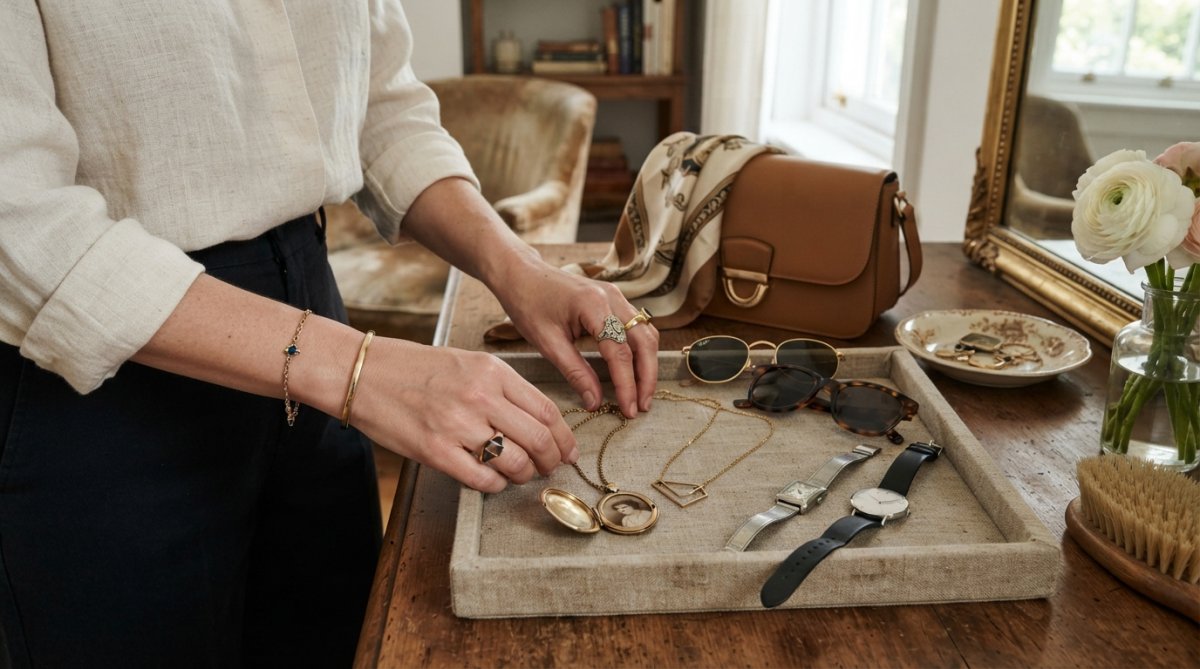
Fine jewellery serves as the ultimate bridge between vintage and modern aesthetics. Unlike clothing, which changes dramatically across eras, jewellery transcends time. A vintage brooch from the 1950s looks equally at home with contemporary minimalist clothing. A vintage ring works across any decade.
A simple contemporary dress becomes sophisticated when paired with statement vintage jewellery. A vintage outfit becomes contemporary when styled with sleek modern jewellery. Delicate vintage jewellery from the 1920s works beautifully with minimalist contemporary styling. Bold vintage costume jewellery from the 1980s complements eclectic, maximalist looks.
At Diamonds by daisy, we recognize that fine jewellery, whether vintage or contemporary, elevates any outfit by adding refinement and intentionality. When selecting jewellery to bridge vintage and modern pieces, consider the metal tone, scale, and style of your outfit. Warm-toned vintage jewellery pairs beautifully with warm-toned vintage clothing. Cool-toned vintage jewellery complements cool-toned contemporary basics.
How to Wear Vintage Without Looking Dated: Sustainable Care and Repair
Vintage pieces require different care than contemporary clothing. Silk, wool, and linen require gentle handling and often hand-washing. Many vintage pieces should be dry-cleaned rather than machine-washed.
Storage matters significantly. Vintage pieces should be stored in cool, dry environments away from direct sunlight. Acid-free tissue paper prevents yellowing. Wooden hangers preserve the shape of vintage jackets and dresses.
Small repairs prevent minor damage from becoming major problems. A loose seam, missing button, or small hole can be repaired inexpensively before it becomes unwearable. Every time you repair and rewear a vintage piece rather than discarding it, you're extending its life and reducing waste.
Digital Tools for Vintage Sourcing
Online vintage marketplaces like Depop, Vestiaire Collective, and Vinted allow you to search by era, size, colour, and price point. You can set alerts for specific pieces. Many sellers provide detailed measurements, which solves the vintage sizing problem entirely.
Digital styling apps help you visualize how vintage pieces work with your existing wardrobe before purchasing. Authentication tools and communities help verify vintage piece authenticity. Research tools like Google Lens allow you to photograph vintage pieces and find similar items or learn more about their era and designer.
Investing in Timeless Staples and Curated Collections
The most effective vintage-modern wardrobes are built through intentional curation of timeless staples that work across multiple seasons and styling approaches.
Timeless vintage staples include: leather jackets (1960s-1980s), trench coats (always current), white button-up shirts (any era), tailored blazers (particularly 1980s-1990s), well-made denim (1970s-1980s), and simple knitwear (any era).
These pieces work because they're fundamentally timeless. A vintage leather jacket from 1975 looks current in 2026 because leather jackets have remained stylistically relevant across decades. When building a vintage-modern wardrobe, prioritize these timeless staples over trend-specific pieces.
A well-made vintage leather jacket costs £30-80 from a charity shop or online marketplace and works for decades. The cost-per-wear becomes negligible when you wear the piece consistently over years. Building a curated collection means being selective about additions, choosing pieces that work with your existing wardrobe, suit your body type, and align with your overall aesthetic.
Styling vintage in contemporary ways requires balancing intentionality with authenticity. At Diamonds by daisy, we understand that true elegance comes from pieces that transcend time, whether that's a handpicked gemstone set in precious metals or a carefully selected vintage piece. Our commitment to quality, refined aesthetics, and timeless design ensures that every piece you choose elevates your personal style. Explore our curated collection of fine jewellery designed to complement both vintage and contemporary wardrobes, and experience the confidence that comes from investing in pieces built to last.
Frequently Asked Questions
How do I style vintage clothing in a modern way without looking like I'm wearing a costume?
The key is balancing vintage pieces with contemporary staples. Pair a vintage leather jacket with modern jeans and a simple white tee, or style a vintage blouse with tailored trousers. Focus on fit and proportion, have pieces tailored to suit your silhouette. Choose neutral tones as your base and use vintage accessories as statement pieces. Avoid wearing head-to-toe vintage; mixing eras creates a fashion-forward look that feels intentional rather than themed.
What are the best vintage fashion tips for someone just starting to incorporate vintage into their wardrobe?
Begin with investment pieces like vintage leather jackets, trench coats, or denim that work with contemporary clothing. Focus on quality and condition, second-hand items should be well-maintained. Invest in proper tailoring to ensure vintage pieces fit your body type and modern silhouette. Start with neutral-toned vintage items before experimenting with bold colours or patterns. Use digital tools and apps to source pieces that match your aesthetic, and always check sizing carefully since vintage garments often run smaller.
How can I mix vintage and modern fashion without the outfit looking mismatched or confused?
Create visual balance by using a colour palette of neutral tones as your foundation. Layer vintage and contemporary pieces thoughtfully, for example, pair a vintage skirt with a modern top, or vice versa. Pay attention to texture and silhouette; ensure the proportions work together harmoniously. Accessorising is crucial; use modern jewellery or contemporary bags to bridge the eras. Limit yourself to one or two significant vintage pieces per outfit, with the rest being modern staples, to maintain cohesion.
What vintage accessories work best with modern outfits, and how should I style them?
Vintage jewellery, scarves, belts, and bags are excellent choices for modern wardrobes. Fine jewellery pieces, particularly vintage brooches and delicate necklaces, add elegance without overwhelming a contemporary outfit. Leather accessories like vintage belts and bags introduce texture and sophistication. Wear vintage accessories as focal points, if your outfit is minimalist, let the accessory shine. Pair statement vintage jewellery with simple, neutral clothing to create visual interest. Ensure vintage accessories are cleaned and well-maintained so they look intentional rather than dated.
This article was written using GrandRanker